
Designing an Energy-Efficient House: Key Tips for Smart Living
Updated: Jul 28
Designing a home that saves energy is more than just a trend - it’s a smart choice for comfort, savings, and the environment. When you build or renovate with energy efficiency in mind, you create a space that feels better to live in and costs less to maintain. I’m excited to share practical tips and insights that will help you design an energy-efficient house that suits your needs and the Arizona climate perfectly.
Understanding Energy-Efficient House Design
Energy-efficient house design focuses on reducing the amount of energy your home uses while maintaining comfort and functionality. This means thinking carefully about everything from the materials you choose to the way your home is oriented on the lot. The goal is to minimize energy waste and maximize natural resources like sunlight and airflow.
Some key elements of energy-efficient house design include:
Insulation: Proper insulation keeps your home warm in winter and cool in summer.
Windows and Doors: Energy-efficient windows and well-sealed doors prevent drafts and heat loss.
Orientation: Positioning your home to take advantage of the sun’s path can reduce heating and cooling needs.
Ventilation: Good airflow helps maintain indoor air quality and temperature without relying heavily on HVAC systems.
Energy-efficient appliances and lighting: Using modern, efficient technology reduces electricity consumption.
By focusing on these areas, you can create a home that not only lowers your utility bills but also reduces your carbon footprint.

Practical Tips for Energy-Efficient House Design
When planning your home, consider these actionable tips to boost energy efficiency:
Choose the Right Building Materials
Use materials with high thermal mass like concrete or brick to absorb and slowly release heat. This helps stabilize indoor temperatures. Also, opt for eco-friendly insulation materials such as cellulose or spray foam to seal your home tightly.
Maximize Natural Light
Incorporate large, south-facing windows to capture sunlight during the day. Use light-colored walls and reflective surfaces inside to spread natural light further. This reduces the need for artificial lighting.
Install Energy-Efficient Windows and Doors
Double or triple-pane windows with low-emissivity (Low-E) coatings reduce heat transfer. Make sure doors are well-insulated and have weather stripping to prevent air leaks.
Design for Shade and Cooling
Use overhangs, awnings, or pergolas to shade windows during the hot summer months. Plant deciduous trees near your home to provide natural shade that changes with the seasons.
Incorporate Smart HVAC Systems
Choose HVAC units with high Seasonal Energy Efficiency Ratios (SEER). Programmable thermostats and zoning systems allow you to control temperatures room-by-room, saving energy.
Use Renewable Energy Sources
Solar panels are a great fit for sunny Arizona. They can power your home and even generate excess energy to sell back to the grid.
Water Efficiency Matters
Install low-flow fixtures and consider rainwater harvesting systems. Efficient water use reduces the energy needed for heating and pumping water.
These tips are practical and proven ways to make your home more energy-efficient without sacrificing style or comfort.
How to build a house that uses 90% less energy?
Building a house that uses 90% less energy than a typical home is ambitious but achievable with the right approach. This level of efficiency often involves combining several advanced strategies:
Passive House Standards: This design philosophy focuses on airtight construction, super insulation, and heat recovery ventilation. It drastically reduces heating and cooling needs.
High-Performance Windows: Triple-pane windows with inert gas fills and advanced coatings minimize heat loss.
Renewable Energy Integration: Solar panels, solar water heaters, and sometimes geothermal systems provide clean energy.
Energy Recovery Ventilators (ERVs): These systems exchange stale indoor air with fresh outdoor air while recovering heat or coolness.
Smart Home Automation: Automated lighting, shading, and HVAC controls optimize energy use based on occupancy and weather.
By combining these elements, you can create a home that is comfortable year-round with minimal energy consumption. It requires careful planning and investment upfront but pays off in long-term savings and sustainability.

The Role of HVAC in Energy-Efficient Homes
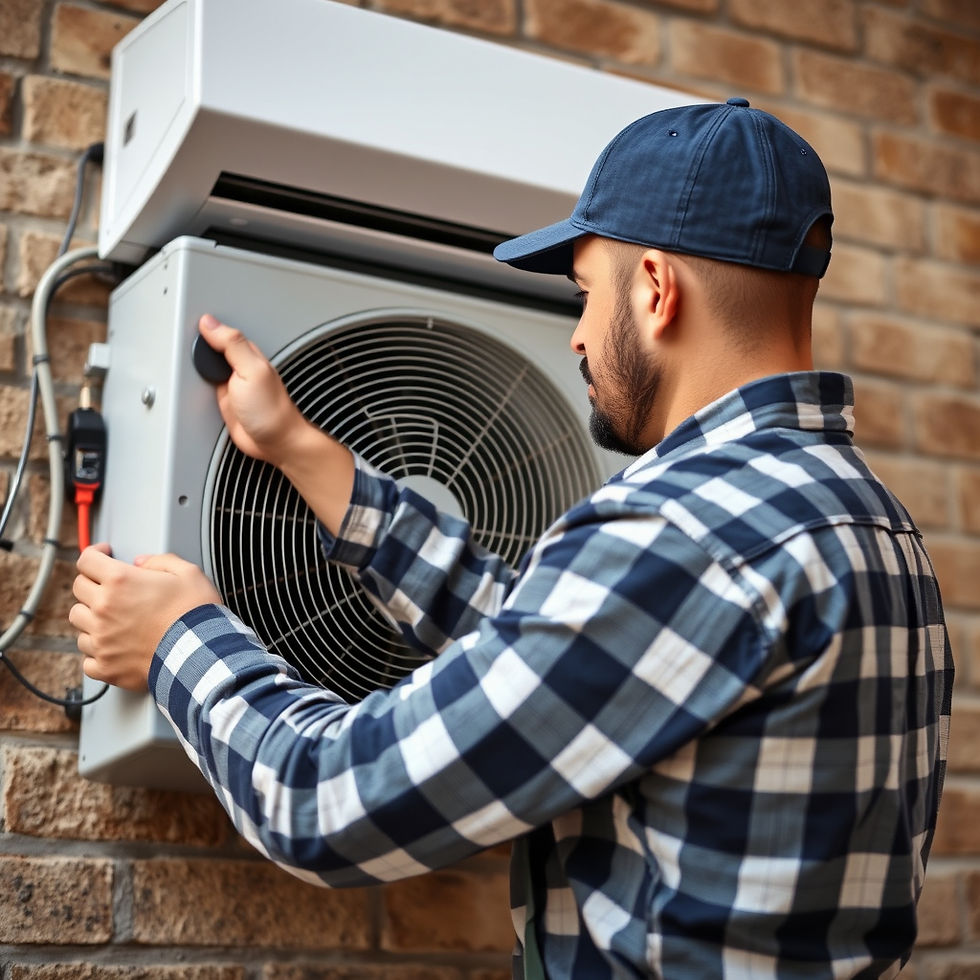
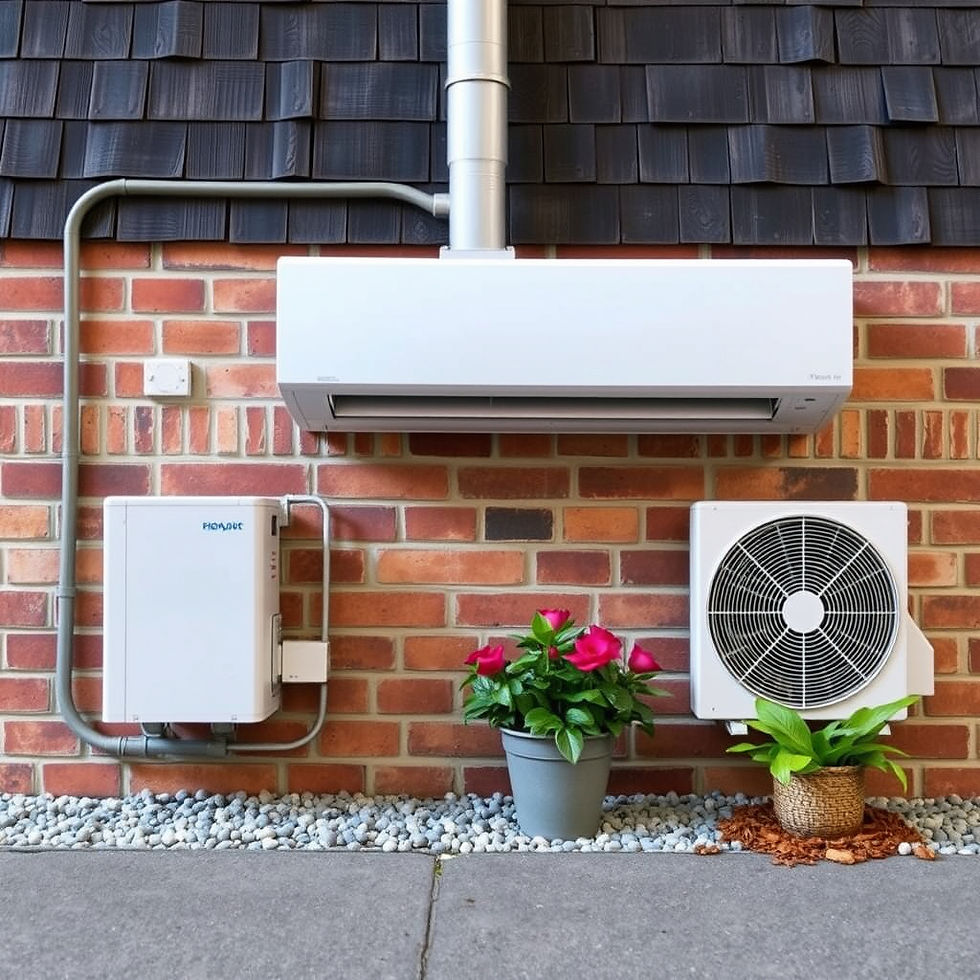
Heating, ventilation, and air conditioning (HVAC) systems are often the largest energy consumers in a home. Designing an energy-efficient house means giving HVAC special attention.
Right-Sized Equipment: Oversized HVAC units waste energy by cycling on and off too frequently. Proper sizing ensures efficient operation.
Zoning Systems: These allow you to heat or cool only the rooms you use, reducing wasted energy.
Regular Maintenance: Clean filters and well-maintained systems run more efficiently and last longer.
Duct Sealing and Insulation: Leaky ducts can lose up to 30% of the air they carry. Sealing and insulating ducts keeps conditioned air where it belongs.
Smart Thermostats: These devices learn your schedule and adjust temperatures automatically, saving energy without sacrificing comfort.
Investing in a high-quality HVAC system and maintaining it well is essential for an energy-efficient home, especially in climates like Arizona’s where cooling demands are high.
Why Energy-Efficient Design Matters for Arizona Homes
Arizona’s climate presents unique challenges and opportunities for energy-efficient design. The hot summers and mild winters mean cooling is often the biggest energy expense. Here’s why focusing on energy efficiency is crucial:
Lower Cooling Costs: Proper insulation, shading, and efficient HVAC reduce the need for air conditioning.
Improved Comfort: Energy-efficient homes maintain more stable indoor temperatures and better air quality.
Environmental Impact: Reducing energy use lowers greenhouse gas emissions and helps conserve natural resources.
Increased Property Value: Energy-efficient homes are attractive to buyers and can command higher prices.
Rebates and Incentives: Arizona offers various programs to encourage energy-efficient building, helping offset initial costs.
By designing with energy efficiency in mind, you create a home that’s perfectly suited to the Arizona environment and your lifestyle.
Taking the First Step Toward Your Energy-Efficient Home
If you’re wondering how to design an energy efficient house, start by consulting with professionals who understand local conditions and the latest technologies. A well-thought-out plan tailored to your needs will save you money and headaches down the road.
Remember, energy-efficient design is not about sacrificing comfort or style. It’s about smart choices that make your home healthier, more comfortable, and less expensive to run. Whether you’re building new or upgrading an existing property, these tips will guide you toward a home that works for you and the planet.
Designing an energy-efficient house is a rewarding journey. With the right knowledge and support, you can create a home that feels great, costs less to operate, and stands the test of time. Start planning today and enjoy the benefits for years to come.

Comments