
Ductless Mini-Split Systems in Phoenix: Are They Right for Your Home?
The Growing Popularity of Ductless Mini-Splits in Phoenix
Ductless mini-split systems are one of the fastest-growing segments of the residential HVAC market in Phoenix — and for good reason. They offer exceptional energy efficiency, flexible zoning capability, quiet operation, and installation versatility that ducted systems simply cannot match in certain applications. Whether you are cooling a new home addition, a detached garage workshop, a backyard casita, or considering a whole-home solution without ductwork, understanding how mini-splits perform in Phoenix's demanding climate is essential before making a purchase decision.
What Is a Ductless Mini-Split System?
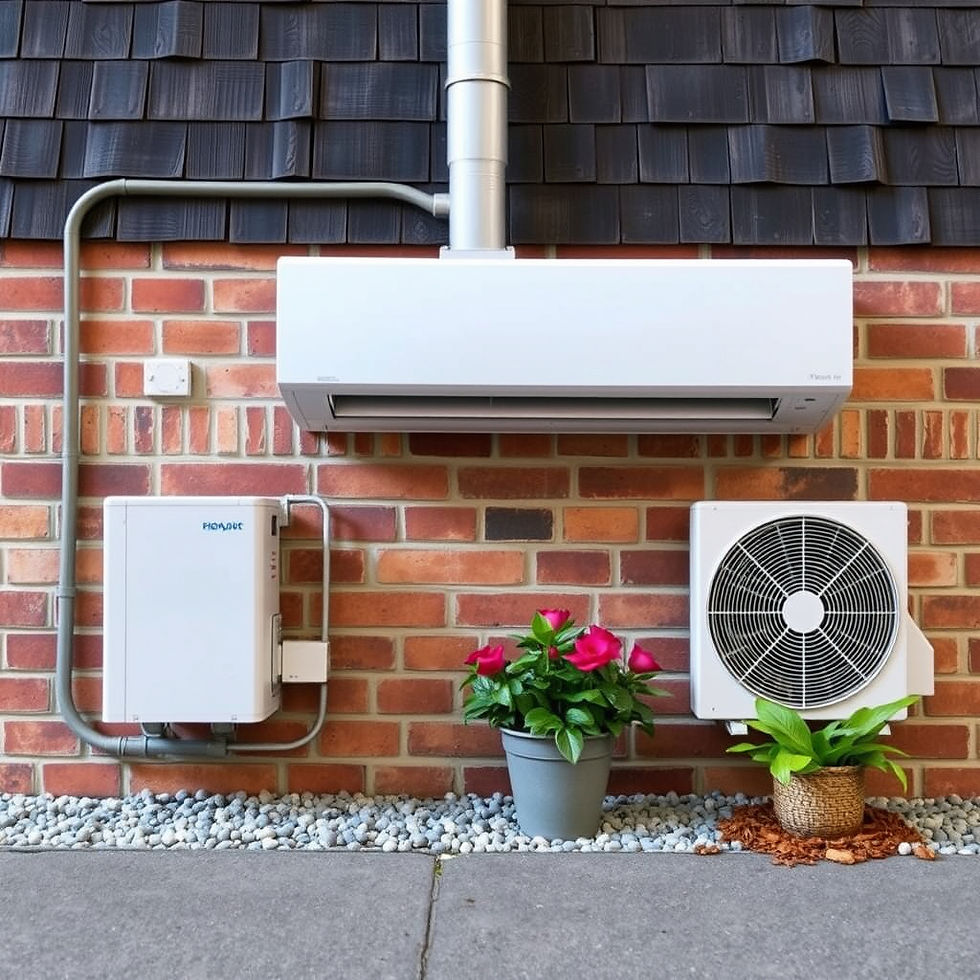
A ductless mini-split consists of two primary components: an outdoor compressor/condenser unit and one or more indoor air handler units mounted on walls, ceilings, or floors. These components are connected by a small refrigerant line set that passes through a 3-inch hole in the wall — no ductwork required. Each indoor unit serves a designated zone and is controlled independently, allowing customized temperature settings in different areas of the home or building.
Multi-zone systems connect multiple indoor air handlers to a single outdoor unit, making it possible to serve an entire home with multiple independent zones from one outdoor installation. Advanced multi-zone systems can serve up to 8 indoor zones from a single outdoor unit.
Key Advantages of Mini-Splits in Phoenix's Climate
Energy efficiency is the most compelling advantage of ductless systems. Ducted central AC systems in Phoenix lose 20–30% of conditioned air through leaky or improperly insulated ductwork — particularly significant when ducts run through unconditioned attic spaces that reach 150–160°F in summer. Mini-splits deliver conditioned air directly to the occupied zone with no duct losses, achieving SEER ratings of 20–30 on top-tier models.
Zone control eliminates the waste of cooling unoccupied spaces. In a Phoenix home where certain rooms — a home office, a guest room, a garage workshop — are occupied only at specific times, a mini-split serves those spaces on demand rather than conditioning them continuously as part of a whole-home system. This targeted cooling approach can yield significant utility savings for homes with varied occupancy patterns.
Quiet operation is a genuine advantage for living spaces and bedrooms. Mini-split indoor units operate at 20–40 decibels — quieter than a normal conversation and far quieter than the sound of air rushing through ductwork. This makes them ideal for home offices, master bedrooms, and media rooms where noise is a consideration.
Modern mini-split systems from leading brands like Mitsubishi Electric and Daikin are rated to operate efficiently at outdoor temperatures up to 115°F — making them fully capable of handling Phoenix's most extreme summer heat events.
Ideal Applications for Mini-Splits in Phoenix Homes
Ductless mini-splits are particularly well-suited for specific Phoenix applications. Detached garages and workshops that lack ductwork connections can be cooled affordably with a single-zone mini-split. Home additions where extending the existing duct system would require significant structural work benefit from a dedicated mini-split solution. Casitas and guest houses on Phoenix properties are natural mini-split applications. Older homes built before central air conditioning that lack ductwork are increasingly being upgraded to whole-home multi-zone mini-split systems.
Potential Disadvantages to Consider
The primary perceived disadvantage of ductless mini-splits is the visual impact of wall-mounted indoor air handler units. Some homeowners prefer the invisible nature of ducted systems where only vents are visible. However, modern mini-split indoor units are slim and unobtrusive, and ceiling cassette models with decorative grilles blend naturally into most interior styles.
For whole-home applications, multi-zone mini-split systems require careful design to ensure adequate coverage of all spaces. JVAC Design performs a thorough load calculation for each zone to ensure proper sizing and comfortable temperatures throughout the home.
Choosing the Right Mini-Split Brand for Phoenix
JVAC Design installs and recommends Mitsubishi Electric, Daikin, LG, and Carrier mini-split systems. Mitsubishi Electric is widely regarded as the gold standard for mini-split reliability and performance, with proven performance in extreme-climate applications around the world. All brands we install offer comprehensive warranties and full factory support.
Frequently Asked Questions
Q: How much does a mini-split installation cost in Phoenix?
A: A single-zone mini-split system typically costs $2,500–$5,000 installed. Multi-zone whole-home systems range from $6,000–$18,000 depending on the number of zones and equipment tier.
Q: Can a mini-split cool an entire Phoenix home?
A: Yes. A properly designed multi-zone mini-split system can condition an entire Phoenix home comfortably. JVAC Design designs whole-home mini-split systems for new construction and ductwork-free retrofits throughout Phoenix.
Q: How long do mini-split systems last in Phoenix?
A: With proper annual maintenance, quality mini-split systems last 15–20 years. Their efficiency and performance are well-documented in extreme-climate environments comparable to Phoenix.
Q: Do mini-splits also provide heating?
A: Yes. All modern mini-split systems are heat pumps — they provide both cooling and heating from the same equipment. For Phoenix's mild winters, a mini-split's heating performance is excellent and highly efficient.



This article provides a useful introduction to ductless mini-split installation. The practical details are especially helpful for people comparing their options. Understanding the requirements of mini split installation can make it easier to decide whether professional assistance is the better choice.