
Building Energy-Efficient Homes in Arizona: A Guide to Energy-Efficient Home Construction
Building a home in Arizona comes with unique challenges and opportunities. The desert climate, with its intense sun and dry heat, demands smart design choices to keep homes comfortable and energy-efficient. I want to share practical insights on energy-efficient home construction that can help you create a home that saves money, reduces environmental impact, and stays cool during the hottest months.
Why Energy-Efficient Home Construction Matters in Arizona
Arizona’s climate is characterized by long, hot summers and mild winters. This means cooling costs can skyrocket if your home isn’t designed to handle the heat efficiently. Energy-efficient home construction focuses on reducing energy consumption through smart design, materials, and technology.
Here’s why it’s so important:
Lower utility bills: Efficient homes use less electricity for cooling and heating.
Increased comfort: Proper insulation and ventilation keep indoor temperatures stable.
Environmental benefits: Reduced energy use means fewer greenhouse gas emissions.
Higher resale value: Energy-efficient homes are attractive to buyers looking to save on energy costs.
By investing in energy-efficient construction, you’re not just building a house—you’re creating a sustainable, comfortable living space that stands the test of time.

Key Elements of Energy-Efficient Home Construction
When building an energy-efficient home in Arizona, several factors come into play. Here’s a breakdown of the most important elements to consider:
1. Orientation and Design
The way your home is positioned on the lot can make a big difference. Ideally, the longest walls should face north and south to minimize direct sun exposure on east and west walls, which get the harshest sunlight.
Use overhangs and shading devices to block summer sun but allow winter sun to warm the home.
Design smaller windows on the west side to reduce heat gain.
Incorporate open floor plans to improve airflow and natural cooling.
2. Insulation and Building Materials
Good insulation is critical in Arizona’s climate. It keeps the heat out during summer and retains warmth in winter.
Use spray foam insulation or rigid foam boards for superior thermal resistance.
Choose reflective roofing materials to reduce heat absorption.
Consider thermal mass materials like concrete or adobe that absorb heat during the day and release it at night.
3. Windows and Doors
Windows and doors are often weak points for energy loss.
Install double or triple-pane windows with low-emissivity (Low-E) coatings.
Use weatherstripping and proper sealing to prevent air leaks.
Opt for energy-efficient doors with insulated cores.
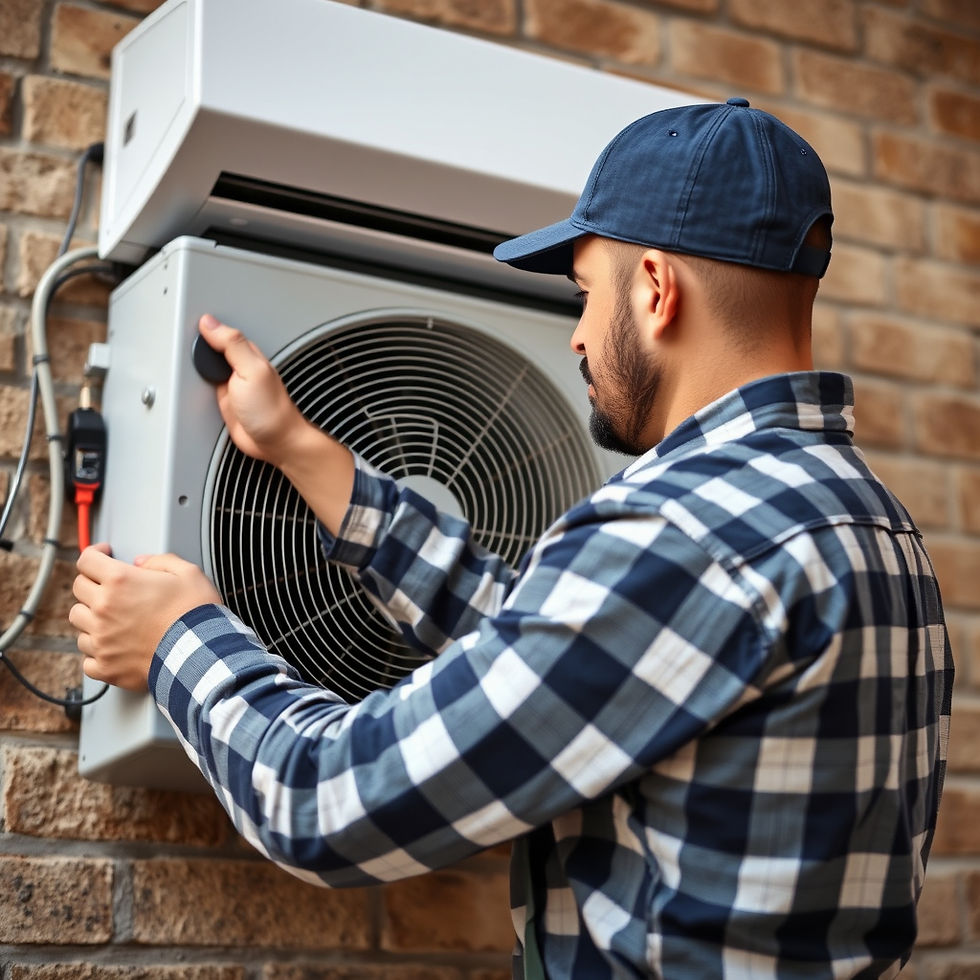
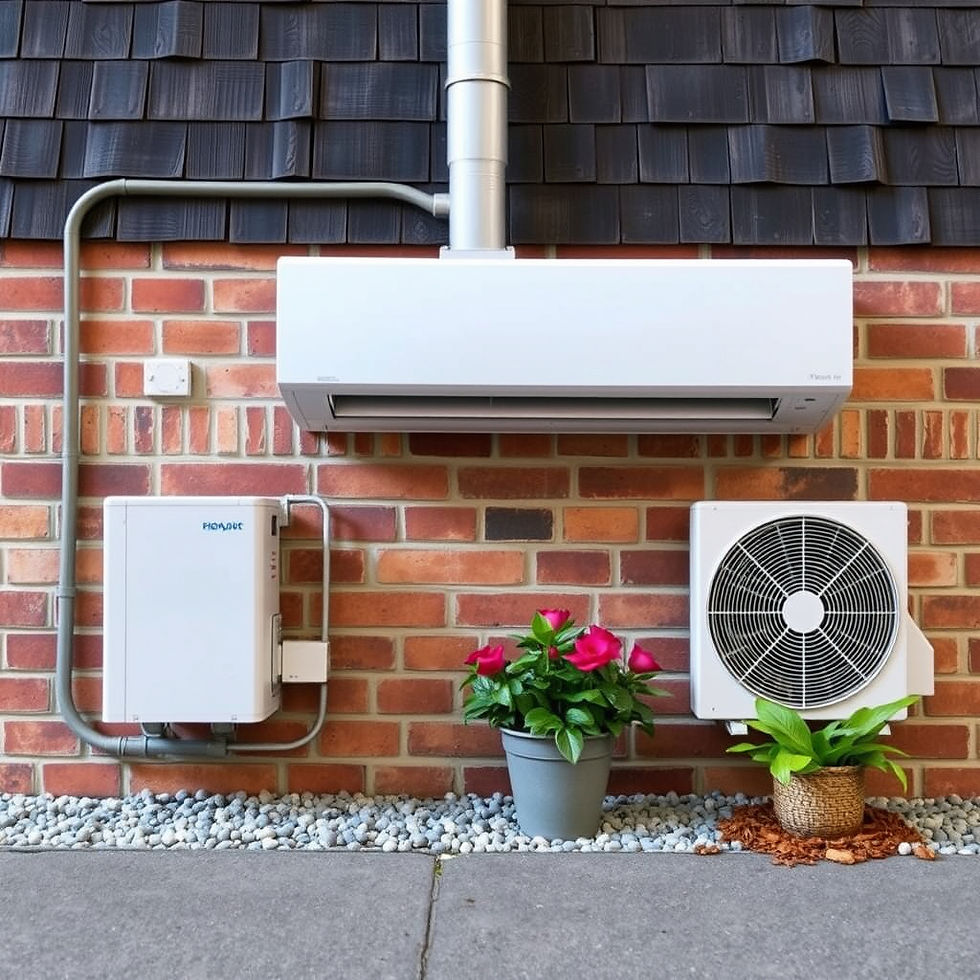
4. HVAC Systems
Heating, ventilation, and air conditioning (HVAC) systems consume a large portion of energy in Arizona homes.
Choose high-efficiency HVAC units with ENERGY STAR ratings.
Use smart thermostats to optimize cooling schedules.
Ensure proper duct sealing and insulation to avoid energy loss.
5. Renewable Energy Integration
Solar power is a natural fit for Arizona’s sunny climate.
Install solar panels to generate electricity and reduce reliance on the grid.
Consider solar water heaters to cut down on energy used for hot water.
Use battery storage systems to maximize solar energy use during peak hours.
By combining these elements, you can create a home that performs exceptionally well in Arizona’s demanding environment.
What is the Most Energy-Efficient House to Build?
If you’re wondering what type of home design offers the best energy efficiency, here are some top contenders:
Passive House (Passivhaus)
This design standard focuses on airtight construction, superior insulation, and heat recovery ventilation. Passive houses use minimal energy for heating and cooling, making them ideal for hot climates when adapted properly.
Thick insulation and airtight building envelope.
High-performance windows and doors.
Mechanical ventilation with heat recovery.
Net-Zero Energy Homes
These homes produce as much energy as they consume over a year. They combine energy-efficient construction with renewable energy systems like solar panels.
Ultra-efficient building envelope.
On-site renewable energy generation.
Energy storage solutions.
Earth-Sheltered Homes
Built partially underground or with earth berms, these homes use the earth’s natural insulation to maintain stable indoor temperatures.
Reduced exposure to sun and wind.
Natural thermal mass from surrounding soil.
Lower heating and cooling needs.
Adobe and Rammed Earth Homes
Traditional materials like adobe bricks and rammed earth have excellent thermal mass properties, absorbing heat during the day and releasing it slowly at night.
Naturally regulate indoor temperature.
Environmentally friendly and locally sourced materials.
Durable and low maintenance.
Each of these options has pros and cons, but all prioritize reducing energy use and improving comfort. Your choice depends on your budget, site conditions, and personal preferences.

Practical Tips for Building Your Energy-Efficient Home in Arizona
Building an energy-efficient home can feel overwhelming, but breaking it down into manageable steps helps. Here are some actionable tips:
Work with experienced professionals: Collaborate with architects, builders, and HVAC experts who understand Arizona’s climate and energy codes.
Plan for energy efficiency from the start: Incorporate energy-saving features in your initial design rather than retrofitting later.
Choose local and sustainable materials: This reduces transportation emissions and supports the local economy.
Invest in quality windows and insulation: These are key to controlling your home’s temperature.
Use landscaping strategically: Plant shade trees and use xeriscaping to reduce water use and provide natural cooling.
Consider smart home technology: Automated lighting, thermostats, and energy monitors help optimize energy use.
Get your home certified: Look into programs like LEED, ENERGY STAR, or the Arizona Home Energy Rating System (HERS) for validation and incentives.
If you want to ensure your project is in good hands, consider reaching out to energy efficient home builders arizona who specialize in these techniques and can guide you through the process.
The Long-Term Benefits of Energy-Efficient Homes
Building energy-efficient homes is an investment that pays off over time. Here’s what you can expect:
Significant savings on energy bills: Efficient homes use 30-50% less energy.
Improved indoor air quality: Better ventilation reduces allergens and pollutants.
Increased durability: Quality materials and construction reduce maintenance costs.
Enhanced comfort year-round: Stable temperatures and reduced drafts.
Positive environmental impact: Lower carbon footprint and resource use.
By focusing on energy efficiency, you’re not only protecting your wallet but also contributing to a healthier planet.
Building an energy-efficient home in Arizona is a smart choice that combines comfort, savings, and sustainability. With the right design, materials, and expert help, you can create a home that thrives in the desert climate while reducing your environmental impact. Whether you’re starting from scratch or renovating, these principles will guide you toward a better, more efficient living space.

Comments